Tag: MoveHer Co

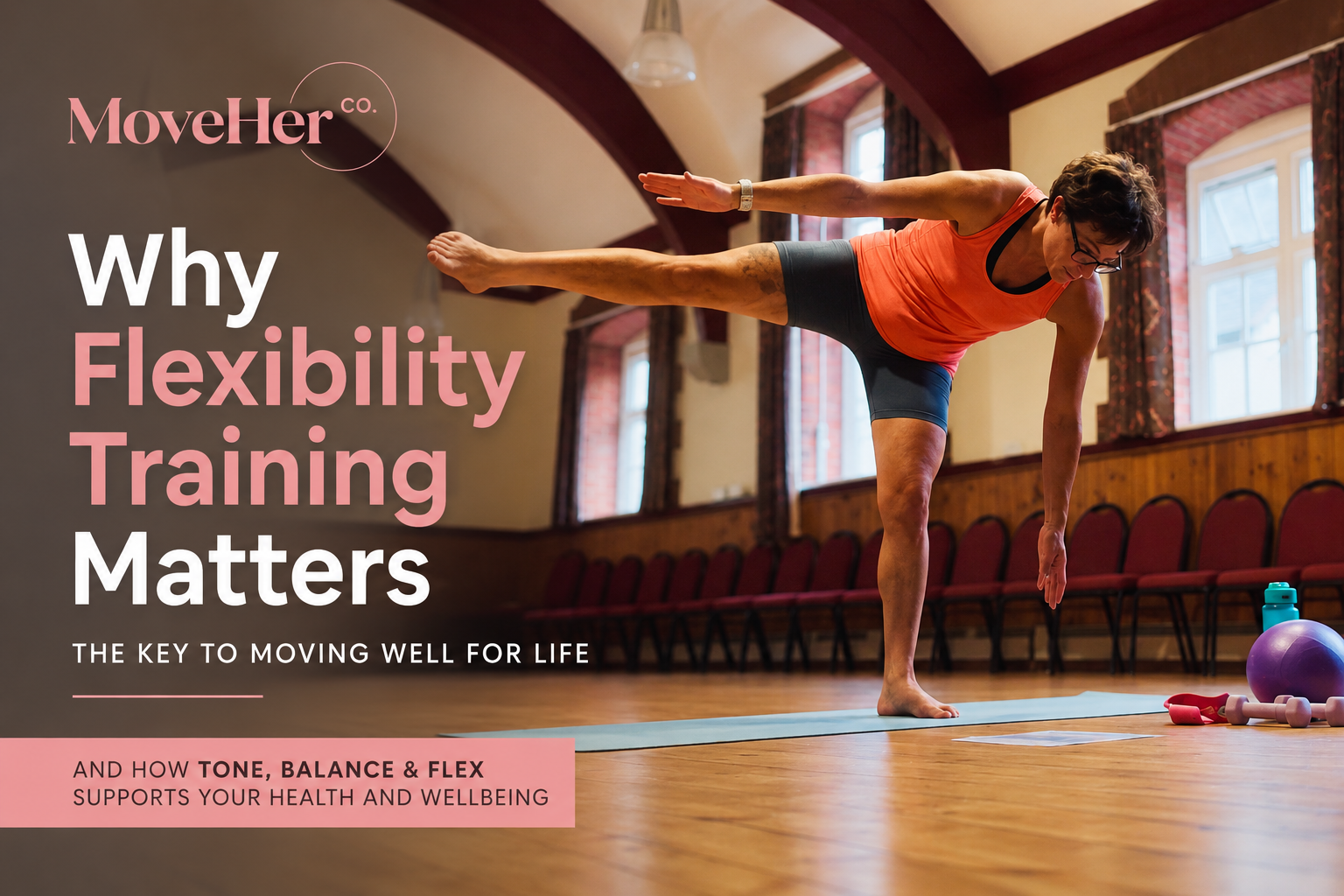
  • Why Flexibility Training Matters: The Key to Moving Well for Life

    Why Flexibility Training Matters: The Key to Moving Well for Life

    When people think about fitness, strength training and cardiovascular exercise often take centre stage. While both are essential for overall health, flexibility is frequently overlooked. Yet flexibility training plays a crucial role in how we move, feel and function in everyday life.

    At MoveHer Co, we believe fitness should support your body for the long term. That’s why flexibility, mobility and balance form an important part of our approach to movement, particularly through our Tone, Balance & Flex classes.

    What is Flexibility?

    Flexibility refers to the ability of a joint to move through its full range of motion (ROM). Good flexibility allows you to perform daily activities more easily, move efficiently during exercise and reduce unnecessary strain on muscles and joints.

    Regular flexibility training creates positive adaptations within the body. Muscles become more elastic and connective tissues, such as tendons and ligaments, become more pliable. These changes can improve movement quality and make everyday tasks feel easier and more comfortable.

    According to the American College of Sports Medicine (ACSM, 2021), flexibility training can improve range of motion immediately following a stretching session. However, long-term improvements require consistency, with three to four weeks of regular flexibility training needed before more lasting changes are observed.

    The Benefits of Regular Flexibility Training

    Improved Movement Efficiency

    Whether you’re walking, exercising, lifting shopping bags or playing with your children or grandchildren, your body relies on efficient movement patterns. Research by Rahman and Islam (2020) found that flexibility training can improve the efficiency of skilled movements, allowing the body to move more freely and effectively.

    When muscles and joints can move through their intended range, less energy is wasted compensating for restrictions elsewhere in the body. This can improve performance in both sporting activities and everyday life.

    Reduced Stiffness and Better Mobility

    Modern lifestyles often involve prolonged periods of sitting, driving or working at a desk. These habits can contribute to muscle tightness and reduced joint mobility over time.

    Regular stretching and mobility exercises help combat these effects by encouraging movement through a wider range of motion. Many people notice immediate improvements in how they feel after a flexibility session, often experiencing less stiffness and greater ease of movement.

    Support for Recovery

    Flexibility training is commonly included as part of a recovery routine. Stretching can help reduce feelings of tightness following exercise and may assist in managing delayed onset muscle soreness (DOMS), the muscle discomfort that often develops after unfamiliar or challenging activity (ACSM, 2011).

    While stretching alone won’t eliminate soreness, it can help maintain mobility and support recovery between exercise sessions.

    Physical and Mental Relaxation

    The benefits of flexibility training extend beyond the physical. Stretching encourages participants to slow down, focus on breathing and become more aware of how their body feels.

    Rahman and Islam (2020) concluded that flexibility training can contribute to both physical and mental relaxation. In today’s busy world, taking time to move mindfully can be just as important as the physiological benefits gained from exercise.

    Reduced Risk of Injury

    Restricted movement at a joint can place additional stress on surrounding muscles and tissues. Improving flexibility and mobility may help the body move more efficiently, reducing unnecessary strain and supporting injury prevention.

    While no form of exercise can completely eliminate injury risk, maintaining adequate flexibility is an important component of a well-rounded fitness programme.

    How Tone, Balance & Flex Supports Healthy Movement

    At MoveHer Co, our Tone, Balance & Flex class has been designed to help women develop strength, stability, mobility and confidence in movement.

    The class combines low-impact strengthening exercises with flexibility and balance training, creating a well-rounded session that supports overall physical function. Participants work on improving joint mobility, enhancing muscle flexibility and developing better body awareness, all within a welcoming and supportive environment.

    The flexibility component helps improve range of motion and reduce feelings of stiffness, while balance exercises challenge coordination and stability. These elements become increasingly important as we age, helping us maintain confidence in movement and supporting everyday functional activities.

    Strength exercises are also incorporated throughout the class, providing the muscular support needed to move safely and effectively through greater ranges of motion. Together, these components create a balanced approach to fitness that promotes long-term health and wellbeing.

    Many participants leave feeling taller, looser and more energised after class, while regular attendance can contribute to the longer-term improvements in flexibility and mobility highlighted by current research.

    Moving Well for Life

    Flexibility training isn’t about touching your toes or achieving extreme ranges of motion. It’s about creating a body that moves comfortably, efficiently and confidently through everyday life.

    Whether your goal is to improve mobility, support recovery, reduce stiffness or simply feel better in your body, regular flexibility training offers benefits that extend far beyond the exercise session itself.

    At MoveHer Co, we believe movement should help you feel stronger, more capable and more connected to your body. Our Tone, Balance & Flex class provides the perfect opportunity to build flexibility, improve balance and develop functional strength—all while enjoying movement in a supportive community.

    Because fitness isn’t just about adding years to your life; it’s about adding life to your years.

    References

    American College of Sports Medicine (2011) ACSM information on delayed onset muscle soreness (DOMS). Available from: https://content.sph.harvard.edu/wwwhsph/sites/143/2016/10/9_2015Delayed-Onset-Muscle-Soreness-doms.pdf (Accessed: 25 July 2025).

    American College of Sports Medicine (2021) ACSM’s Guidelines for Exercise Testing and Prescription.

    Rahman, M.H. and Islam, M.S. (2020) ‘Stretching and flexibility: a range of motion for games and sports’, European Journal of Education and Sport, 6(8), pp. 22–36.

    About the Author

    Jade Deverill is the founder of MoveHer Co, a community dedicated to helping women move, feel and live better. With a passion for fitness, wellbeing and empowering women through movement, Jade delivers classes that focus on building strength, improving mobility and boosting confidence at every stage of life.

    She created Tone, Balance & Flex to help women develop greater flexibility, stability and functional strength while enjoying movement in a supportive and welcoming environment. Jade is passionate about helping women recognise that fitness isn’t about perfection—it’s about feeling strong, capable and confident in your own body.

    When she’s not teaching classes, Jade is committed to promoting the message that movement is one of the most powerful tools we have for improving both physical and mental wellbeing.

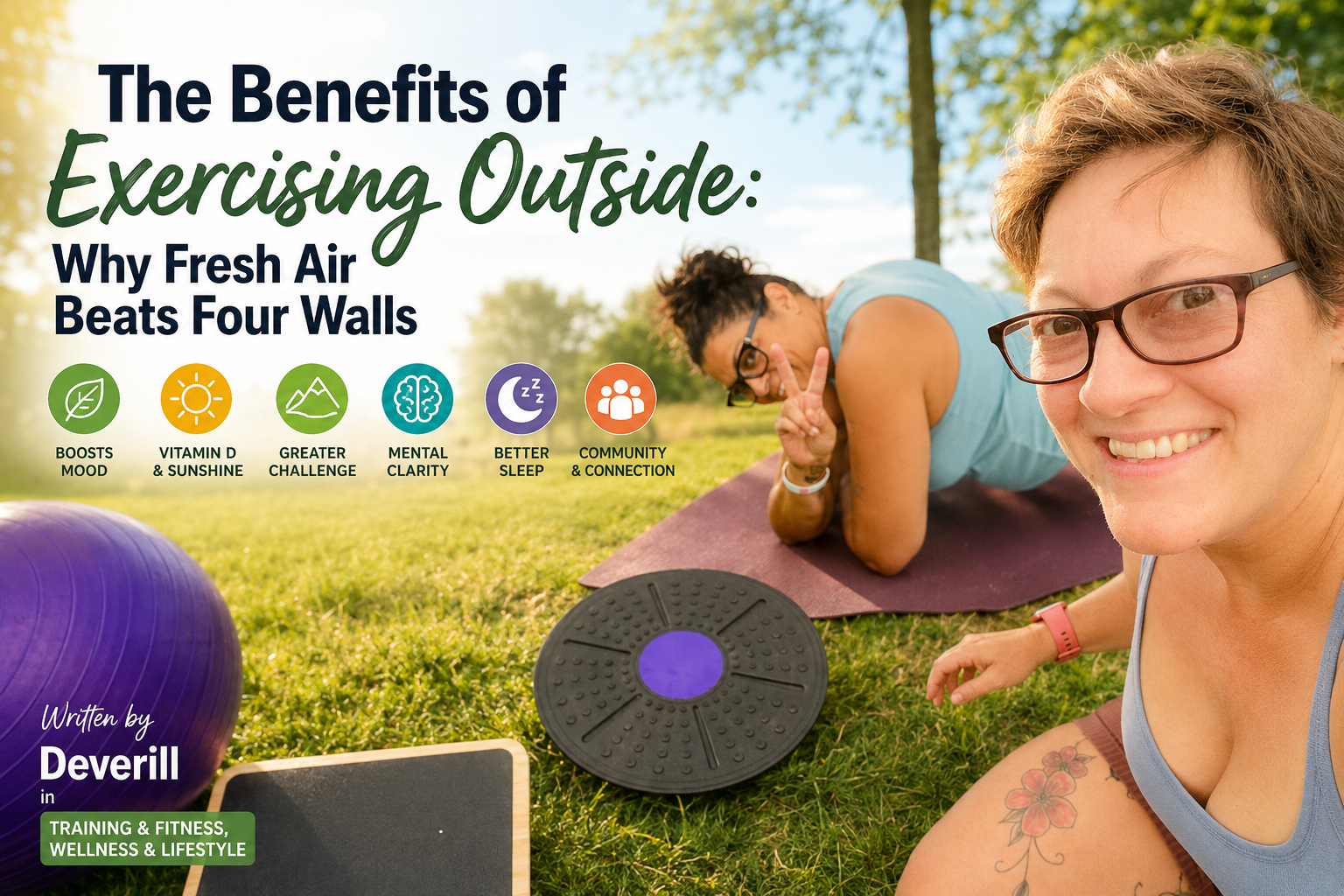
  • The Benefits of Exercising Outside: Why Fresh Air Beats Four Walls

    The Benefits of Exercising Outside: Why Fresh Air Beats Four Walls

    When we think of fitness, we often imagine treadmills, weights, or studio classes. But moving your body outdoors—whether that’s a run in the park, a walk at lunchtime, or yoga on the grass—offers benefits that extend beyond the gym walls. Research shows that exercising outside boosts not only your physical health but also your mood, mental clarity, and overall wellbeing.

    1. A Natural Mood Booster

    Spending time in nature has been shown to reduce stress and improve mood. A review of 33 studies found that even short-term exposure to natural environments significantly reduces feelings of depression and negative mood Bratman et al., 2019. Another study on “green exercise” (physical activity in outdoor environments) found consistent improvements in self-esteem and reductions in tension, anger, and depression (Gladwell et al., 2013).

    Even just 15–20 minutes outdoors can lower cortisol levels (the stress hormone) and increase feel-good brain chemicals like serotonin and dopamine (Cleveland Clinic, 2024).

    2. Sunshine and Vitamin D

    Sunlight helps the body produce vitamin D, which supports bone health, immune function, and mood regulation. Low levels of vitamin D are linked to fatigue, low mood, and weakened immunity. A 2023 study found that higher vitamin D intake and sunlight exposure were associated with lower perceived stress (Dutta et al., 2023).

    3. Greater Variety and Challenge

    Unlike the predictable surface of a treadmill, outdoor terrain varies—think grass, trails, slopes, and steps. These natural changes challenge balance, coordination, and strength in different ways, leading to more well-rounded fitness. Research also suggests that outdoor exercise may provide greater psychological benefits than the same workout performed indoors (Gladwell et al., 2013).

    💡 Want to experience this first-hand? My Power Circuits sessions are designed to make the most of outdoor movement. Using functional exercises, varied terrain, and bodyweight circuits, these sessions build strength, stamina, and resilience—while reaping all the benefits of training in the fresh air.

    4. Mental Clarity and Focus

    Time outdoors has been linked to sharper focus and reduced mental fatigue. UC Davis Health notes that being in nature helps restore attention, boosts creativity, and improves overall concentration (UC Davis Health, 2023).

    5. Better Sleep Patterns

    Exposure to natural daylight supports healthy circadian rhythms—your body’s internal clock—which directly impacts sleep quality. A study published in Sleep Health linked daylight exposure and vitamin D with better sleep and improved mood (Muscogiuri et al., 2020).

    6. Community and Connection

    Exercising outdoors can also strengthen social ties. Park runs, outdoor bootcamps, and even a neighbourly walk provide opportunities to connect with others—a factor that plays a big role in long-term wellbeing and motivation.

    Final Thought

    Exercising outdoors doesn’t have to be extreme. It could be as simple as stretching in the garden, walking the dog, or cycling around your neighbourhood. The evidence is clear: time spent moving outside can lift your mood, sharpen your mind, improve your health, and even help you sleep better.

    If you’d like to bring these benefits into your own routine, come and join us for a Power Circuits session—a fun, energising way to build fitness while enjoying all the rewards of training outdoors.

    References

    Bratman, G.N., Hamilton, J.P., Hahn, K.S., Daily, G.C. and Gross, J.J. (2019) A systematic review and meta-analysis of nature exposure and depressive mood. arXiv preprint arXiv:1907.10013. Available at: https://arxiv.org/abs/1907.10013 [Accessed 17 September 2025].

    Cleveland Clinic (2024) How the outdoors can improve your mood. Cleveland Clinic Health Essentials. Available at: https://newsroom.clevelandclinic.org/2024/04/09/how-the-outdoors-can-improve-your-mood [Accessed 17 September 2025].

    Dutta, S., Kumar, A., Kar, S., Samanta, P., Saha, S., and Kundu, S. (2023) ‘The association between vitamin D, sunlight exposure and perceived stress: A cross-sectional study’, Frontiers in Nutrition, 10: 10223728. doi:10.3389/fnut.2023.10223728. Available at: https://pmc.ncbi.nlm.nih.gov/articles/PMC10223728/ [Accessed 17 September 2025].

    Gladwell, V.F., Brown, D.K., Wood, C., Sandercock, G.R.H. and Barton, J.L. (2013) ‘The great outdoors: how a green exercise environment can benefit all’, Extreme Physiology & Medicine, 2(1), p.3. doi:10.1186/2046-7648-2-3. Available at: https://pmc.ncbi.nlm.nih.gov/articles/PMC3710158/ [Accessed 17 September 2025].

    Muscogiuri, G., Barrea, L., Scannapieco, M., Di Somma, C., Scacchi, M., Aimaretti, G., Savastano, S. and Colao, A. (2020) ‘The lullaby of the sun: The role of vitamin D in sleep disturbance’, Sleep Health, 6(5), pp. 511–518. doi:10.1016/j.jand.2020.01.001. Available at: https://www.sciencedirect.com/science/article/pii/S1087079220301222 [Accessed 17 September 2025].

    UC Davis Health (2023) 3 ways getting outside into nature helps improve your health. UC Davis Health Blog, May 2023. Available at: https://health.ucdavis.edu/blog/cultivating-health/3-ways-getting-outside-into-nature-helps-improve-your-health/2023/05 [Accessed 17 September 2025].

    About the Author

    Jade Deverill is the founder of MoveHer Co and a passionate advocate for helping women build strength, confidence, and sustainable fitness habits. With a focus on functional movement, outdoor training, and community connection, Jade creates welcoming spaces where women can improve their health while enjoying movement they genuinely love. Through classes, workshops, and educational content, she aims to make fitness accessible, empowering, and enjoyable for every stage of life.

  • Stronger Wrists, Stronger Push-Ups: How to Ease and Prevent Wrist Pain

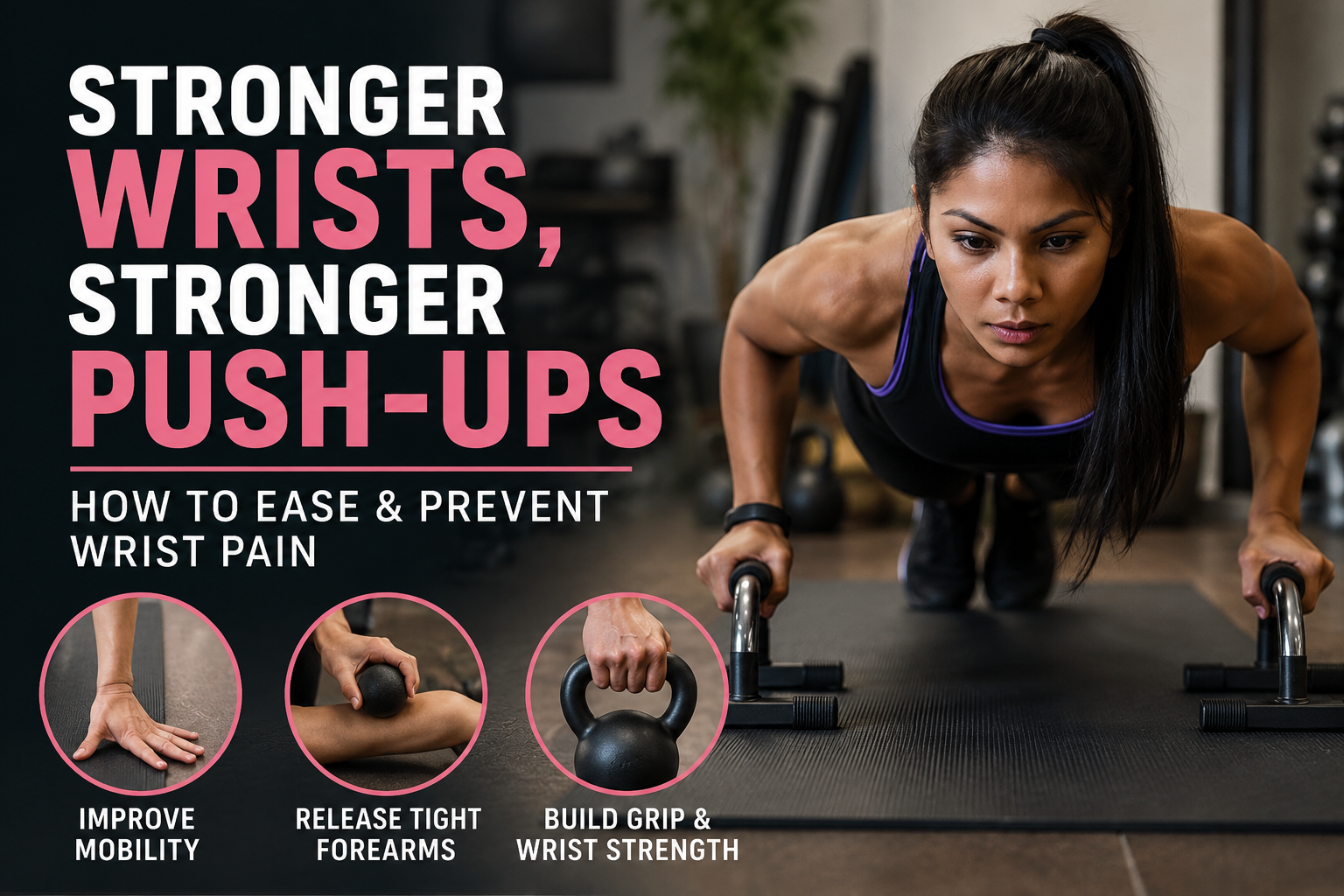
    Stronger Wrists, Stronger Push-Ups: How to Ease and Prevent Wrist Pain

    If you’ve ever felt wrist pain during push-ups, you’re not alone. Many women experience this discomfort, and it often comes down to the position your wrist is placed in. When your wrist is extended under load, it can create tension and irritation.

    The good news? There are simple, effective ways to reduce pain and build resilience so your wrists (and upper body) feel stronger and more capable. This is especially important for women, as we naturally lose muscle strength during and after menopause—making it vital to keep our upper bodies strong enough for everyday tasks like getting up off the floor.

    You can use grip bars in the first instance which will help put your wrist into a neutral position but I’d really recommended strengthening your wrists too.

    Here are three steps you can start adding to your routine:

    1. Work on Wrist Mobility

    Tight, stiff wrists struggle under load. Try adding these mobility stretches:

    Wrist Extension Stretch


    Start on all fours with your fingers spread and palms flat, fingers facing knees. Then gently rock your hips back to deepen the stretch. Hold for 1–2 seconds. Return forward, unlock the elbows slightly, and repeat.

    Wrist Flexion Stretch


    From all fours, press the backs of your hands into the ground, elbows slightly bent, fingers spread. Rotate elbows in, lock arms out, then gently rock your hips back to deepen the stretch. Return forward, unlock the elbows slightly, and repeat.

    2. Release Tight Forearms with a Trigger Ball

    Often, wrist pain is linked to tightness in the forearms. Using a trigger ball (or even a tennis ball) to release these muscles can make a huge difference.

    Spend just one minute rolling out any sore or tender spots in your forearms. With consistent practice over a few weeks, you’ll likely notice wrist pain decreasing significantly.

    This video gives an explanation of the forearm flexors and how to use a trigger point ball.

    3. Build Grip & Wrist Strength

    Grip strength is rarely included in traditional fitness programs, but it’s one of the most important ways to bulletproof your wrists. The best part? You don’t need fancy equipment—household items like filled milk bottles or heavy books can do the trick.

    Lorem Ipsum has been the industry’s standard dummy text ever since the 1500s.

    Try these simple exercises:

    • Farmer’s Carry
      Hold one or two heavy milk bottles (or kettlebells if you have them) and walk, or simply stand and hold. When your forearms start to burn, grip tighter and hold on a little longer.
    • Pinch Carry
      Using a weighted plate, heavy book, or similar object, pinch the sides with your fingertips (without curling them underneath) and carry. Start light, then progress.
    • Hanging
      Find a pull-up bar or monkey bars at a local park. Simply hang for as long as you can, gradually increasing your time. Hanging also improves shoulder mobility—a great added bonus.

    The Key: Consistency

    Wrist strength and mobility don’t happen overnight. But with consistent stretching, trigger ball release, and grip-strength training, you’ll notice pain ease and strength improve.

    If your wrist pain worsens or doesn’t improve with these strategies, it’s important to check in with a doctor, as it may be a sign of a more serious issue.

    Remember—strong wrists mean stronger push-ups, better upper body resilience, and more confidence in your movement.

    About the Author

    Jade Deverill is the founder of MoveHer Co and a passionate advocate for helping women build strength, confidence, and resilience through movement. With a focus on practical, evidence-based fitness, Jade specialises in creating accessible exercise programs that support women through every stage of life, including menopause and beyond. Her mission is to empower women to move well, feel strong, and stay active for the long term, making everyday tasks easier and improving overall quality of life.

  • Finding My Feet at the Front of the Class

    Finding My Feet at the Front of the Class

    When I decided to launch my classes, I was honestly terrified. Imposter syndrome loomed large, and with ADHD, rejection sensitivity made me second-guess myself at every step. I’ve never been the kind of person who wanted to stand in the spotlight, let alone at the front of a class, leading the way.

    But movement changed everything for me. Exercise saved my mental health, my relationships, and my sense of purpose. It gave me a way to manage my energy, boost my mood, and walk into each day feeling just a little stronger. And that high after a class? There’s nothing quite like it. It’s not just about sweat — it’s about achievement, resilience, and the kind of joy that seeps into every part of life.

    That’s why I knew I had to share it. I started studying, earned my Level 2 Fitness Instructor qualification, and I’m now working towards my Level 3 Personal Training certification. Alongside that, this month I’m diving headfirst into a full Sports and Fitness degree — something I never thought I’d have the courage to do.

    The response to the classes has been beyond anything I expected. The feedback, the support, and the sheer enthusiasm from everyone who’s joined has been overwhelming in the best way. It’s shown me that stepping out of my comfort zone was worth it — and that sometimes, the scariest leap leads to the most rewarding landing.

    About the Author

    Jade Deverill is the founder of MoveHer Co and a qualified Level 3 Personal Trainer with a passion for helping women build confidence through movement. She creates inclusive, supportive fitness classes designed to improve both physical and mental wellbeing, empowering women of all abilities to feel stronger, healthier, and more confident. Having experienced firsthand the positive impact exercise can have on mental health, Jade is dedicated to making fitness accessible, enjoyable, and sustainable. Alongside running MoveHer Co, she is studying for a Sports and Fitness degree, continuing to expand her knowledge and expertise within the health and fitness industry.

  • Women’s Small Group Fitness: The Secret to Building Confidence and Strength in Mere

    Women’s Small Group Fitness: The Secret to Building Confidence and Strength in Mere

    If the thought of walking into a big, noisy gym makes your stomach turn, you’re not alone. Research shows more than 65% of women avoid the gym due to fear of being judged (Arena Athletic, n.d.), and nearly nine in ten say they feel judged on their appearance while exercising (Balance, n.d.).

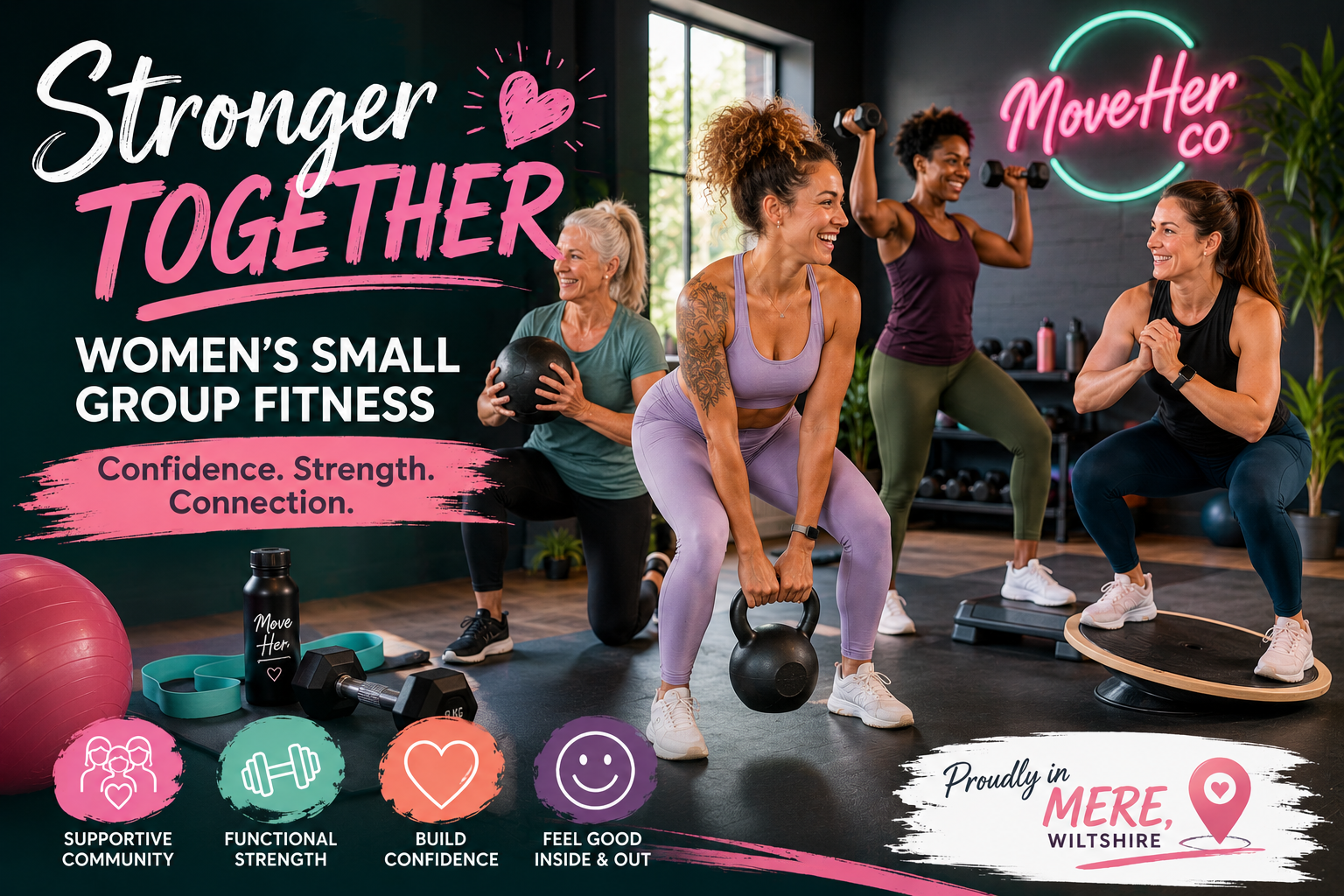
    But there’s a better way to get fit—one that’s supportive, social, and far less overwhelming. At MoveHer Co in Mere, Wiltshire, we believe small group training for women is the sweet spot for building strength, confidence, and connection.


    1. Personal Attention Without the Price Tag

    In our women’s small group fitness classes, you get personalised coaching in a friendly, supportive setting. This means your trainer can correct your form, adapt exercises to your needs, and celebrate your wins—without the high cost of one-to-one sessions.

    2. A Judgement-Free Environment

    Fear of judgement stops 1 in 2 women from being active (Balance, n.d.). That’s why our women-only fitness classes in Mere are designed to be inclusive, supportive, and pressure-free. Everyone works at their own pace—no competition, just encouragement.

    3. Motivation Through Community

    It’s not just about the workout—it’s about the people beside you. Research shows that group exercise boosts motivation, creates lasting friendships, and helps women stay active longer (Yorks, Frothingham and Schuenke, 2022).

    4. Functional Fitness for Real Life

    Our Full-Body Function: Bands, Balls & Boards class uses a circuit format with each exercise as a station, combining resistance bands, stability balls, and balance boards. It’s designed to improve strength, stability, and mobility—skills you’ll use every day. Group programmes like this have a 70% long-term adherence rate (Hawley-Hague et al., 2016), making them sustainable and effective.


    Ready to experience supportive, women’s fitness in Mere?
    Join our next small group session—spaces are limited, but the confidence, strength, and friendships you’ll gain are limitless.

    References

    Arena Athletic. (n.d.) A shocking number of women avoid the gym for fear of being judged. Available at: https://www.arenaathletic.com/Blog/a-shocking-number-of-women-avoid-the-gym-for-fear-of-being-judged/ (Accessed: 11 August 2025).

    Balance. (n.d.) Nine in 10 women feel judged at the gym – the knock-on effect is alarming. Available at: https://balance.media/nine-10-women-feel-judged-gym-knock-effect-alarming/ (Accessed: 11 August 2025).

    Yorks, D.M., Frothingham, C.A. and Schuenke, M.D. (2022) ‘Social support from group exercise is linked to greater physical activity, exercise identity, and quality of life in college students’, Journal of American College Health, 70(8), pp. 2460–2467. Available at: https://pmc.ncbi.nlm.nih.gov/articles/PMC9053316/ (Accessed: 11 August 2025).

    Hawley-Hague, H., Horne, M., Campbell, M., Demack, S., Skelton, D.A. and Todd, C. (2016) ‘Multiple levels of influence on older adults’ attendance and adherence to community exercise classes’, Preventive Medicine, 87, pp. 149–159. Available at: https://www.sciencedirect.com/science/article/pii/S0091743516300147 (Accessed: 11 August 2025).

    About the Author

    Jade Deverill is the founder of MoveHer Co, a women’s fitness and wellbeing community based in Mere, Wiltshire. Passionate about helping women build confidence through movement, Jade creates supportive, inclusive fitness experiences that focus on strength, functional fitness, and long-term wellbeing. Through small group training, workshops, and community events, she empowers women to feel stronger, healthier, and more connected—both inside and outside the gym.