
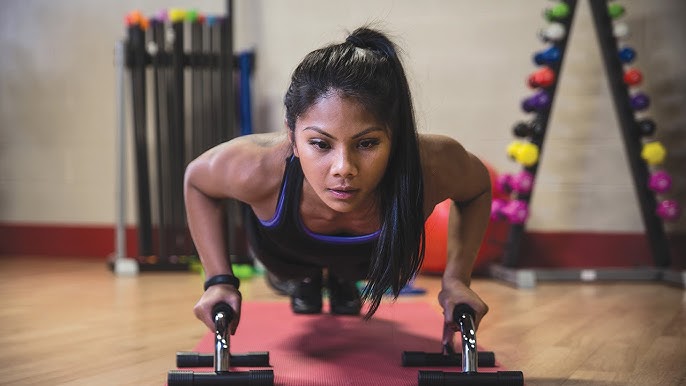
If you’ve ever felt wrist pain during push-ups, you’re not alone. Many women experience this discomfort, and it often comes down to the position your wrist is placed in. When your wrist is extended under load, it can create tension and irritation.
The good news? There are simple, effective ways to reduce pain and build resilience so your wrists (and upper body) feel stronger and more capable. This is especially important for women, as we naturally lose muscle strength during and after menopause—making it vital to keep our upper bodies strong enough for everyday tasks like getting up off the floor.
You can use grip bars in the first instance which will help put your wrist into a neutral position but I’d really recommended strengthening your wrists too.
Here are three steps you can start adding to your routine:
1. Work on Wrist Mobility
Tight, stiff wrists struggle under load. Try adding these mobility stretches:

Wrist Extension Stretch
Start on all fours with your fingers spread and palms flat, fingers facing knees. Then gently rock your hips back to deepen the stretch. Hold for 1–2 seconds. Return forward, unlock the elbows slightly, and repeat.
Wrist Flexion Stretch
From all fours, press the backs of your hands into the ground, elbows slightly bent, fingers spread. Rotate elbows in, lock arms out, then gently rock your hips back to deepen the stretch. Return forward, unlock the elbows slightly, and repeat.

2. Release Tight Forearms with a Trigger Ball
Often, wrist pain is linked to tightness in the forearms. Using a trigger ball (or even a tennis ball) to release these muscles can make a huge difference.
Spend just one minute rolling out any sore or tender spots in your forearms. With consistent practice over a few weeks, you’ll likely notice wrist pain decreasing significantly.
This video gives an explanation of the forearm flexors and how to use a trigger point ball.
3. Build Grip & Wrist Strength
Grip strength is rarely included in traditional fitness programs, but it’s one of the most important ways to bulletproof your wrists. The best part? You don’t need fancy equipment—household items like filled milk bottles or heavy books can do the trick.
Try these simple exercises:
- Farmer’s Carry
Hold one or two heavy milk bottles (or kettlebells if you have them) and walk, or simply stand and hold. When your forearms start to burn, grip tighter and hold on a little longer. - Pinch Carry
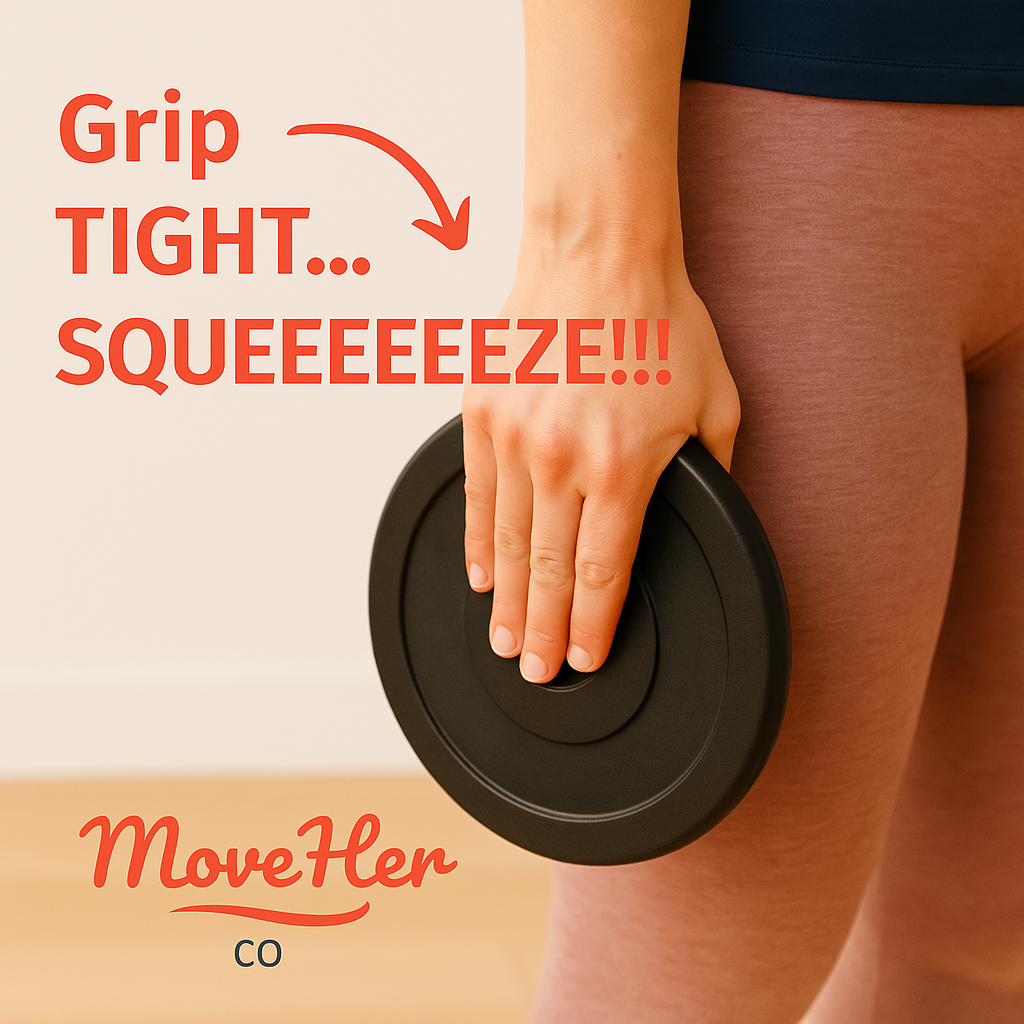
Using a weighted plate, heavy book, or similar object, pinch the sides with your fingertips (without curling them underneath) and carry. Start light, then progress. - Hanging
Find a pull-up bar or monkey bars at a local park. Simply hang for as long as you can, gradually increasing your time. Hanging also improves shoulder mobility—a great added bonus.
The Key: Consistency
Wrist strength and mobility don’t happen overnight. But with consistent stretching, trigger ball release, and grip-strength training, you’ll notice pain ease and strength improve.
If your wrist pain worsens or doesn’t improve with these strategies, it’s important to check in with a doctor, as it may be a sign of a more serious issue.
Remember—strong wrists mean stronger push-ups, better upper body resilience, and more confidence in your movement.
Leave a Reply